History of Chivalry
Chivalry was a moral, religious, and social code that knights lived by in the Middle Ages. It heavily stressed honor, courage, and service, and covered courtly and knightly behavior.
The word “chivalry” comes from various romance languages, such as the French word chevalier, Spanish caballero, and Italian cavaliere. All of these words mean “warrior on horseback” or something similar. It can be used to describe the knights themselves, or the code they lived by. Chivalry was at first applied to Europe’s military activities against non-Christian territories.
There are three types of knightly chivalry: duties to country, duties to God, and duties to women.
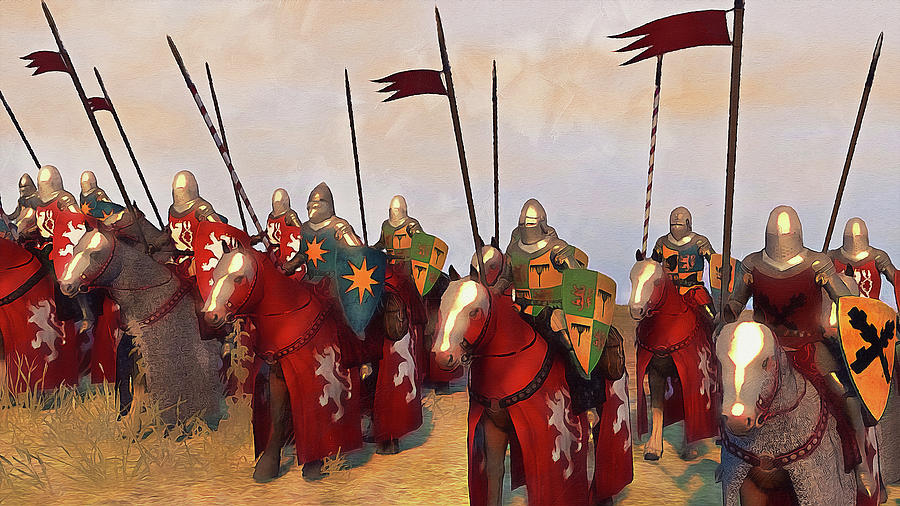
Duties to country is also known as “warrior chivalry”. It deals with honor, valor, and protecting the poor. This was regarded as the most important type of chivalry, in which knights put others’ needs before their own. They aided orphans and widows, were generally considerate of others, refused any possible monetary rewards for their work, and spoke the truth, as well as many others things that depicted honor, selflessness, and courage.
Duties to God was also called “religious chivalry”. It asked knights to display faithfulness to God and the Church, and put God above all others.
Duties to women was otherwise known as “courtly love chivalry”. It involved generally gentleness to all women, and honoring one woman before all others. Courtly love chivalry came from worshiping the Virgin Mary. However, chivalry to women and the overall attitudes towards women in the feudal period varied greatly. Women were largely oppressed in medieval society, especially those who were not of noble status. Women were viewed as lesser beings than men, and those outside of nobility were seen as even more worthless. Women were also viewed as a source of evil, although the Virgin Mary was seen as a refuge to men and mediator to God.
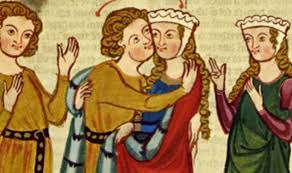
Courtly love chivalry was expressing one’s love with valiance and courage. This was largely a secret, not even expressed between a husband and wife. Courtly love was mainly practiced by nobility. Its rules were laid out in Andreas Capellanus’ De Amore. Capellanus wrote 31 rules for love, and explained how to love depending on class.
Eventually, wealthy merchants became educated on chivalry. This led to publication of courtesy books, which were a guide for men on how to behave. Courtesy books are an example of how chivalry shaped mens’ ideas and culture.
The Importance of Chivalry
Although chivalry and feudalism existed at the same time, they did not have much in common. Chivalry was an ideal. It was followed by knights in order to be honorable and courageous, among other things. Feudalism was a social and economic system with a hereditary class structure. The ideals of chivalry promoted graciousness to all people. It supported helping those who are less fortunate and spreading honor and honesty to the general people. Chivalry shaped how people interacted with each other and the basic expectations of men and their behavior. Chivalry and its ideals shaped a culture, which still stands today.
 Medieval Chivalry